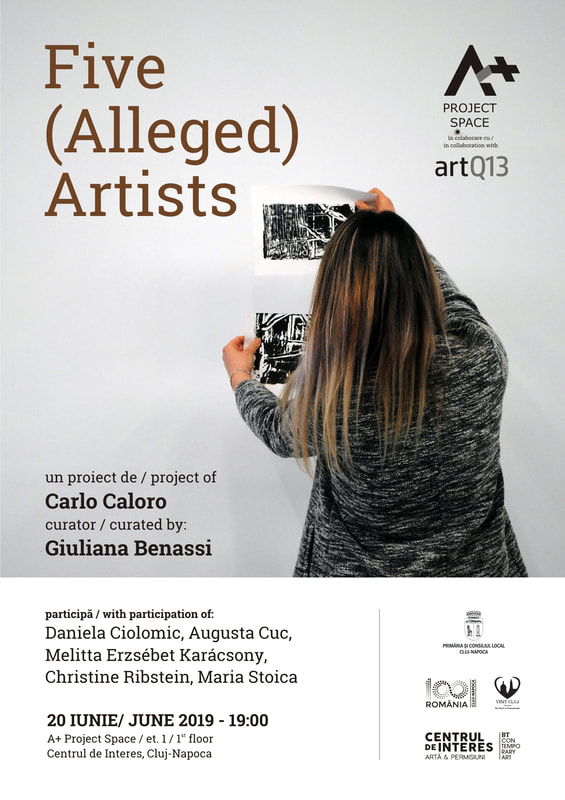
Five (alleged) artists
Più che un contenitore di risposte, il progetto vuole essere un generatore di domande: cosa motiva la creazione artistica? Chi definisce l'opera?
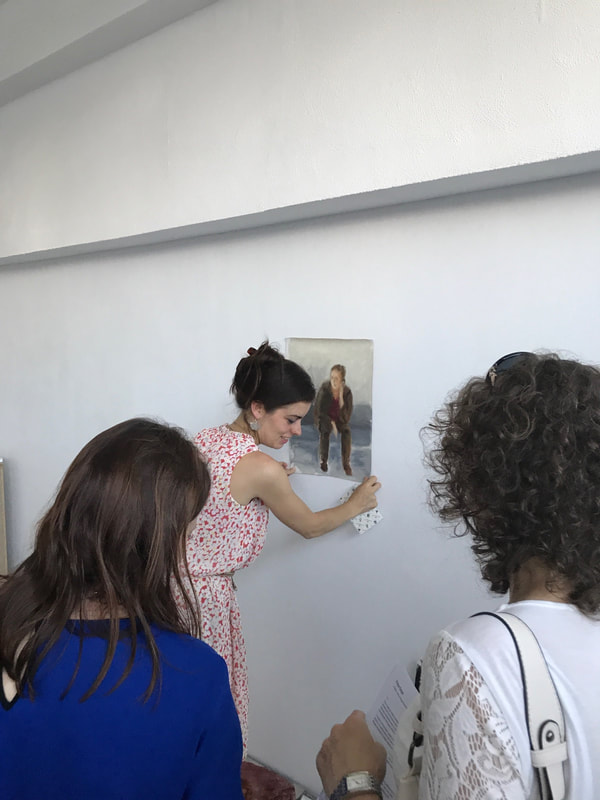
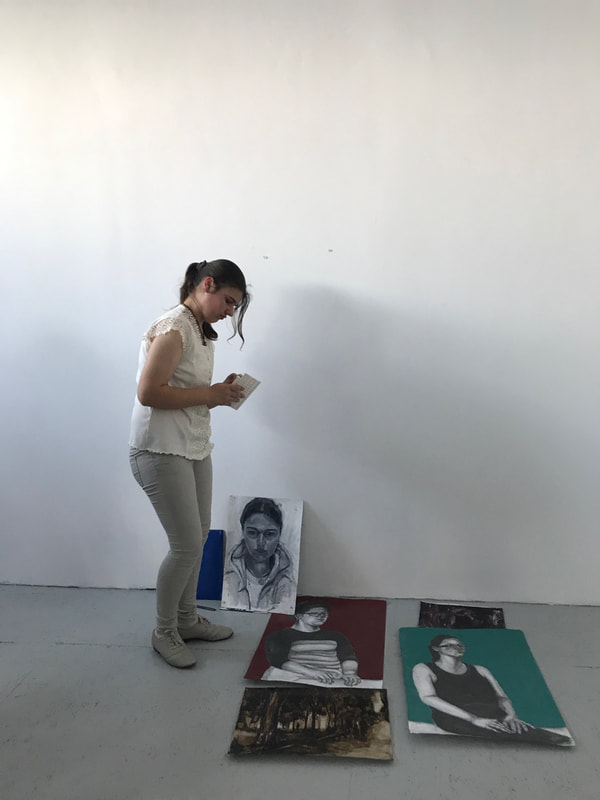
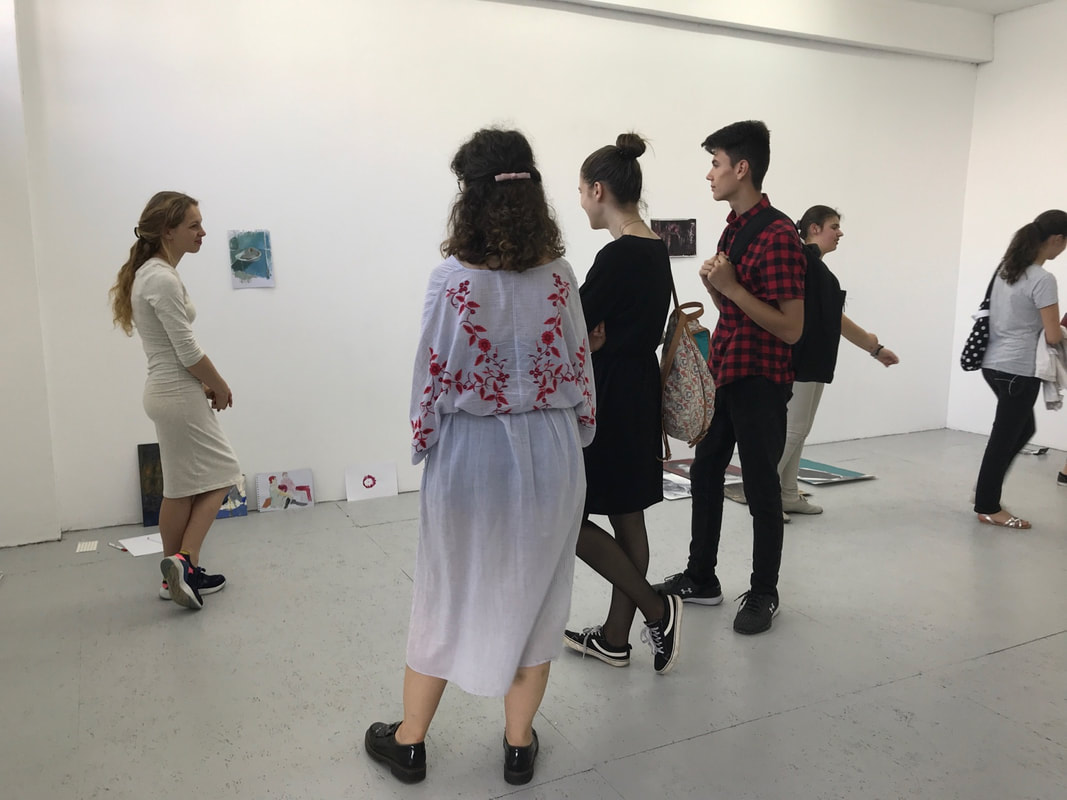
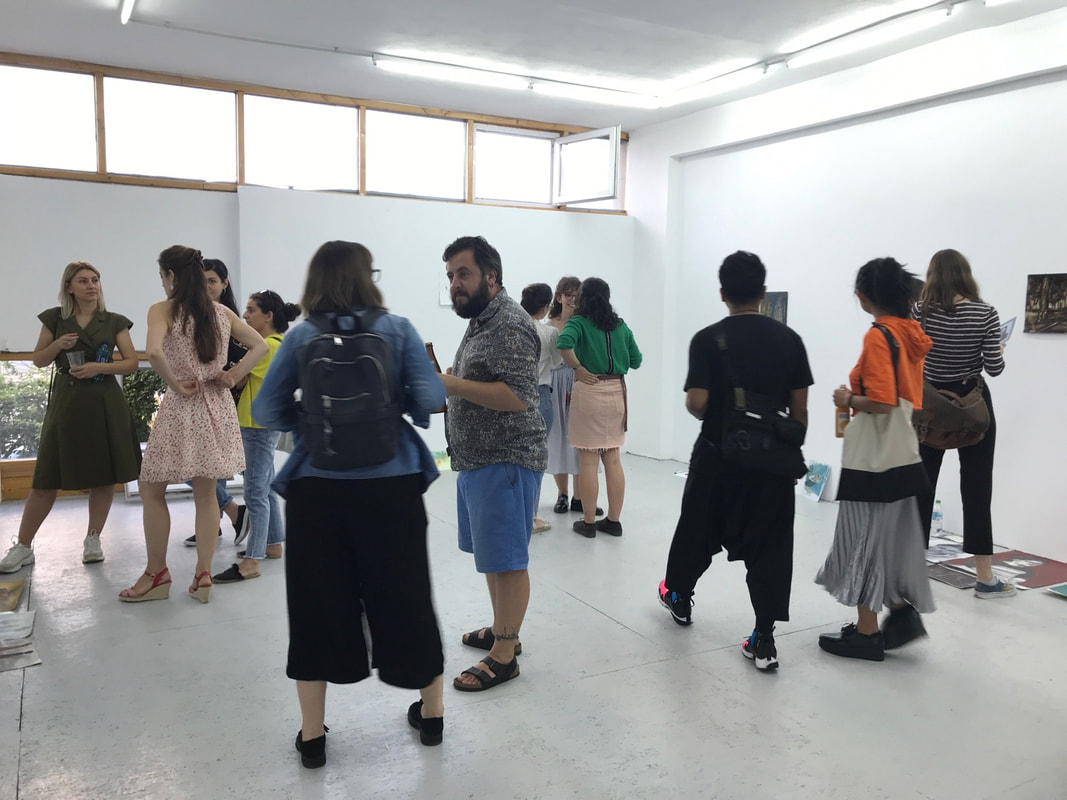
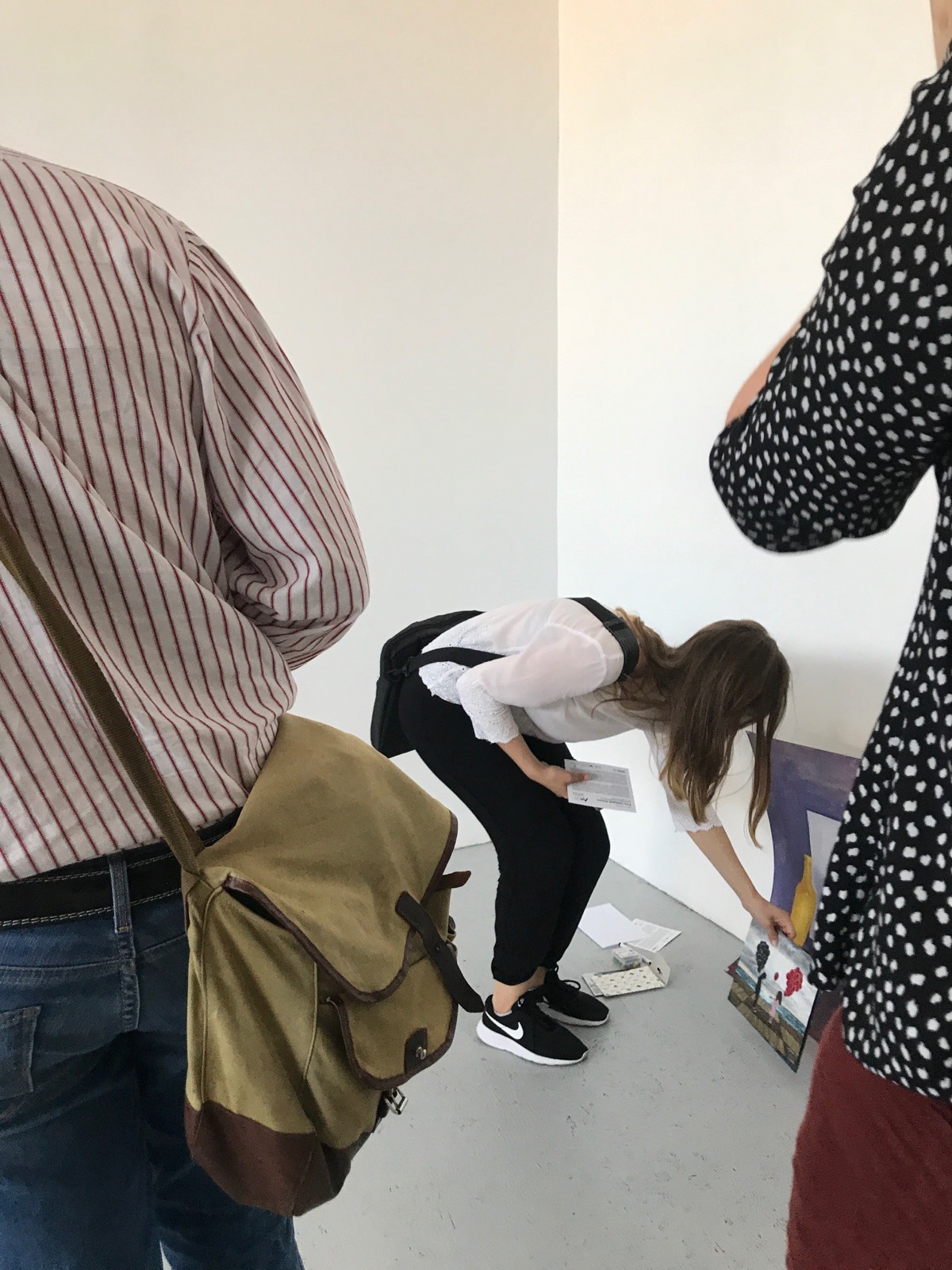
Progetto ideato da Carlo Caloro per A+ Project Space, Cluj-Napoca (Romania), in collaborazione con artQ13. Cinque giovani artiste portano le proprie opere senza possibilità di allestirle: lo scambio tra artista e visitatore decide cosa viene esposto. Una mostra in divenire e in continua metamorfosi.
Extended archive content is available for this project.
Dettagli
Luogo: A+ Project Space, Cluj-Napoca, Romania. In collaborazione con artQ13, Roma. Progetto di Carlo Caloro, a cura di Giuliana Benassi.
Testo completo
Il progetto Cinque (presunti) artisti mette al centro l’artista e la sua genesi in termini di “essere” e “fare” per riflettere sulle origini intrinseche, per così dire “biologiche”, del processo artistico dell’individuo e sul suo incontro con le dinamiche sociali del sistema dell’arte. Il rapporto tra opera d’arte e pubblico che la riconosce come tale, il mistero che sancisce la nascita di un artista e il suo ingresso nella storia, sono argomenti sui quali sono stati versati fiumi di inchiostro, ma che risultano ancora elusivi e sfuggenti a definizioni.
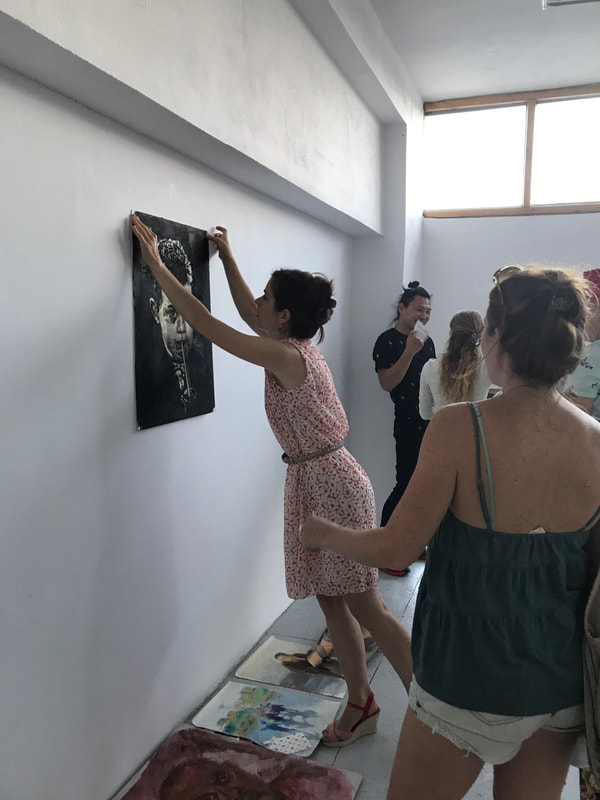
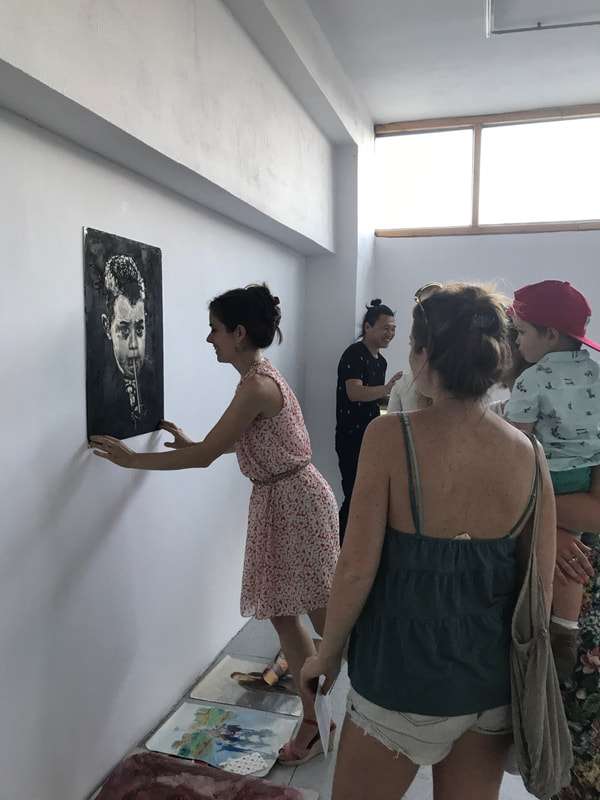
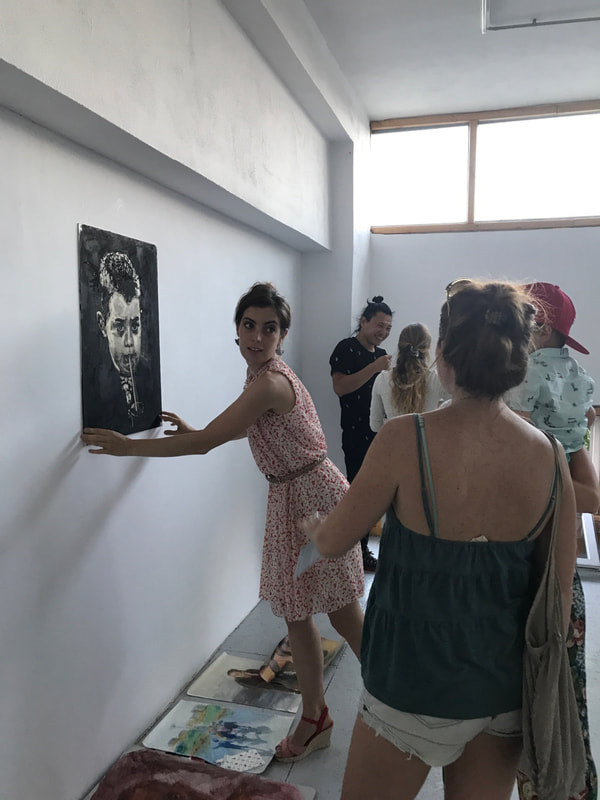
Muovendo da queste riflessioni l’artista Carlo Caloro — chiamato a pensare ad un progetto per A+ Project Space di Cluj-Napoca realizzato in collaborazione con artQ13 di Roma e curato da Giuliana Benassi — ha ideato di trasformare lo spazio in un luogo di sperimentazione viva, invitando a sua volta cinque giovani artisti all’inizio della loro formazione, a mettere in campo le proprie opere da sottoporre al pubblico, il quale potrà interagire nella selezione delle stesse e nell’allestimento.
Il titolo, Cinque (presunti) artisti, vuole sfuggire con sottile ironia da una definizione certa di “artista” per stimolare ed insieme provocare il pubblico a partecipare attivamente al processo di riconoscimento. In questo gioco tra osservatore e osservato, si esaspera il concetto di mettere in mostra, riferendolo a due momenti differenti: quello tangibile dell’opera d’arte e quello inafferrabile dell’essere artista.
Infatti i giovani artisti — Daniela Ciolomic, Augusta Cuc, Melitta Erzsébet Karácsony, Christine Ribstein, Maria Stoica — sono chiamati a portare le loro opere pittoriche e grafiche senza la possibilità di allestirle, ma solo di renderle consultabili, in modo che sarà uno scambio di opinioni tra artista e visitatore a decretare le opere da esporre, dando vita così ad una mostra in divenire e in continua metamorfosi.
Carlo Caloro
Carlo Caloro (Roma, 1962) vive e lavora tra Roma e Colonia. La sua ricerca si presenta come un’esplorazione di vari linguaggi artistici. La sua doppia formazione — all’Accademia di Arti Mediali di Colonia (KHM) e all’Accademia Nazionale d’Arte Drammatica “Silvio D’Amico” di Roma — lo definisce non solo come artista, ma anche come promotore e “regista” di eventi e mostre orchestrate all’interno dello spazio indipendente artQ13 che ha co-fondato.
Giuliana Benassi
Giuliana Benassi (Forlì, 1984) vive e lavora a Roma. Curatrice indipendente, laureata in Storia dell’Arte all’Università di Pisa. La sua ricerca si sviluppa sul campo attraverso l’attivazione e la curatela di progetti artistici che esplorano spazi e formati non convenzionali. È co-fondatrice e coordinatrice del progetto “There is no place like home” (Roma 2014), della piattaforma Contemporary Attitude e del workshop “Ritratto a mano”. Collabora con diverse realtà indipendenti tra cui l’Ascensore di Palermo, Limone Space a Londra, e artQ13 a Roma. Ha curato mostre e progetti in sedi istituzionali e gallerie, tra cui: MAMbo di Bologna, Istituto Svizzero di Roma, Condominio Museo di Torino, Fondazione Lac or Le Man, L’ARCA di Teramo.
English
The project Five (alleged) artists focuses on artists and their genesis in terms of “being” and “doing” so as to reflect on the intrinsic, or “biological”, origins of an individual’s artistic process and their encounter with the social dynamics of the art system. Rivers of ink have been spilled regarding the relationship between a work of art and the public who recognize it as such, as well as about the mystery which sanctions the birth of an artist and their entrance into history books, yet these subjects remain elusive and difficult to define.
Departing from these reflections, the artist Carlo Caloro — called to think of a project for the A+ Project Space in Cluj-Napoca in collaboration with artQ13 in Rome and curated by Giuliana Benassi — has devised to transform the space into a place of living experimentation. He in turn invited five young artists at the beginning of their career to display their own works to the public, who will be able to interact in the selection and staging of the exhibition.
The name Five (alleged) artists wants to escape with subtle irony from a specific definition of “artist”, in order to stimulate and provoke the public to actively participate in the recognition process. In this game between observer and observed the concept of showcasing is exacerbated, in reference to two different circumstances: the tangible one concerning the work of art and the elusory one of being an artist.
Rather than a container of answers, the project wants to be a generator of questions: What drives us to make art? Is it destiny, a need for expression or something akin to divine inspiration? Where do images and inspiration come from? Where does artistic work begin and how does everyone find their own language? With what legitimacy does one start? What authority defines a work of art?
Carlo Caloro (Rome, 1962) Lives and works between Rome and Cologne. His research presents itself as an exploration into various artistic languages. His dual training — at the Academy of Media Arts in Cologne and the “Silvio D’Amico” National Academy of Dramatic Arts in Rome — defines him not only as an artist, but also as a promoter and “director” of events and exhibitions orchestrated within the independent space of artQ13 which he co-founded.
Giuliana Benassi (Forlì, 1984) Lives and works in Rome. Independent curator, graduated in Art History from the University of Pisa. Her research develops in the field through the activation and curating of artistic projects that explore unconventional spaces and formats. She is co-founder of “There is no place like home” (Rome 2014), the platform Contemporary Attitude and the workshop “Ritratto a mano”. She is a writer for the art magazines Exibart and Rivista Segno.