artQ13 @ Spazi Aperti 2015
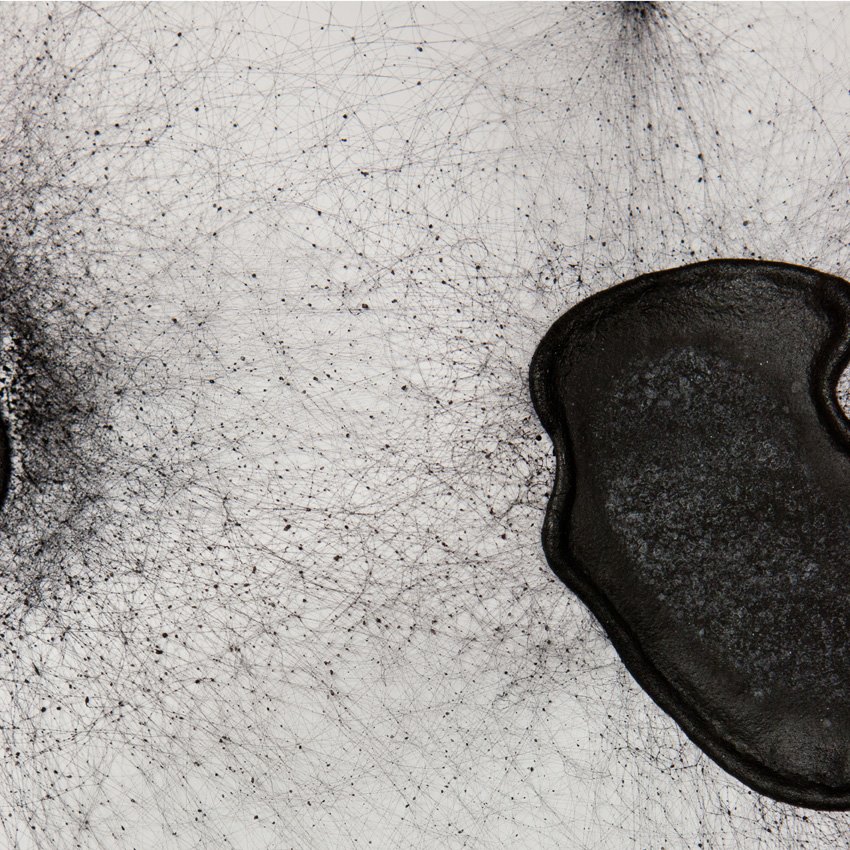
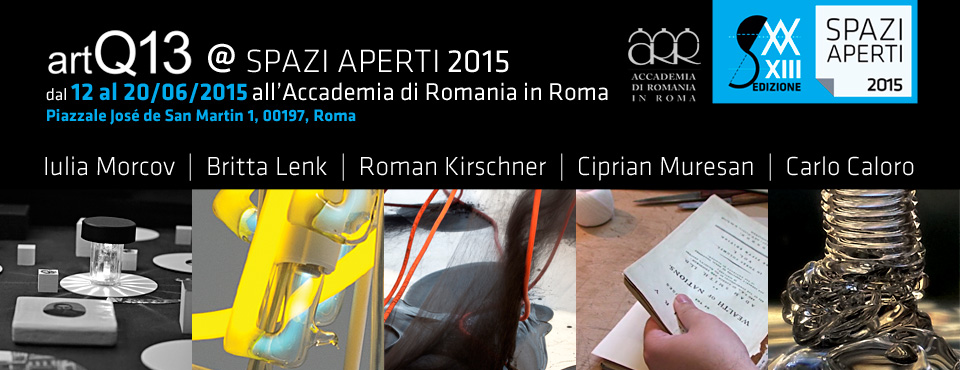
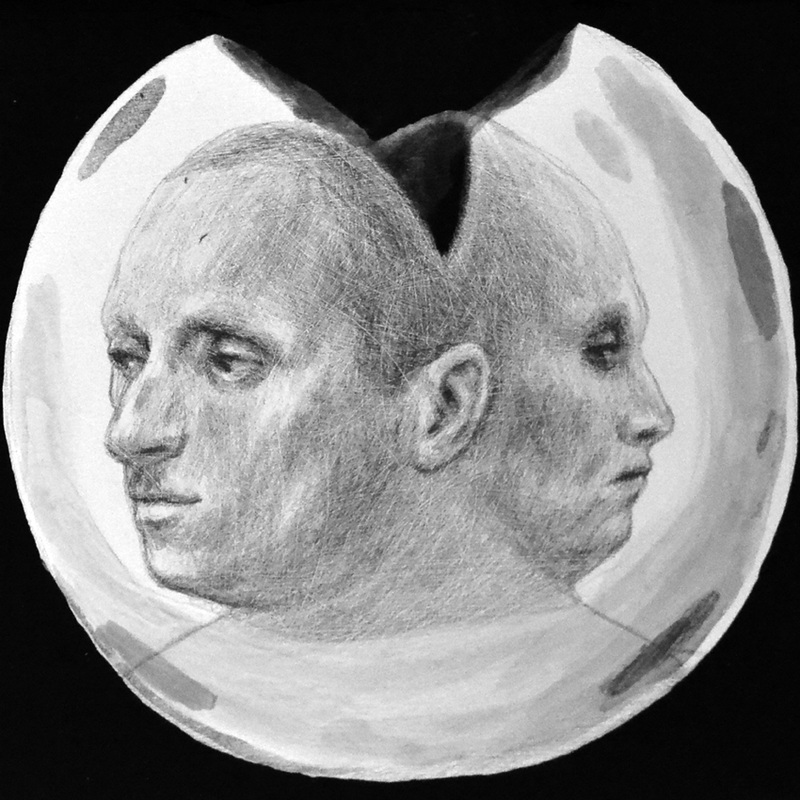
Partecipazione di artQ13 all’evento Spazi Aperti 2015. Presenta il video “Invisible Hand” (2011) di Ciprian Muresan — un dialogo tra ironia e paradosso con un libro di Adam Smith —, l’installazione “Leaking (for the time being)” di Roman Kirschner, e lavori di Britta Lenk sulla percezione e il condizionamento della visione.
Extended archive content is available for this project.
Dettagli evento
12 Giugno 2015. Artisti esposti: Ciprian Muresan, Roman Kirschner, Britta Lenk, Iulia Morcov, Carlo Caloro.
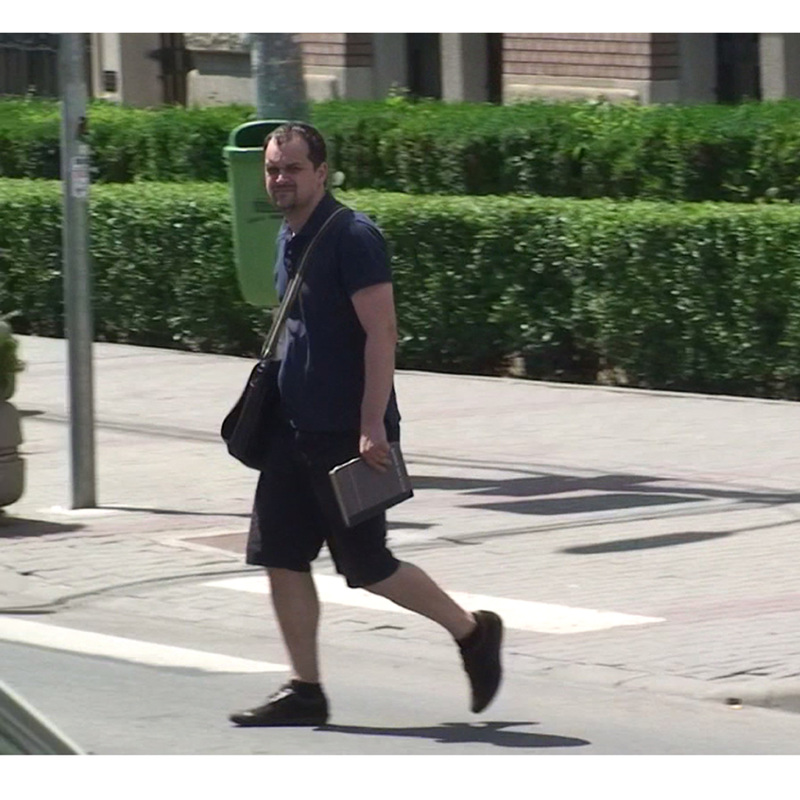
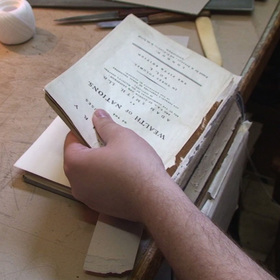
Ciprian Muresan — Invisible Hand, 2011
HD video, 8 min. 59 sec.
Un video che è anche documentazione di un’azione. Un dialogo a distanza tra ironia e paradosso con un libro di Adam Smith, con il suo contenuto e non in ultimo con l’idea stessa di conservazione del sapere. Il video si svolge davanti ai nostri occhi come si svolge un’azione, un’operazione gratuita, di stampo quasi situazionista, un evento semplice che non cambia nulla ma cambia tutto. Le immagini ci rimandano al significato delle parole, al lavoro sull’economia e sul pensiero di Adam Smith, al dialogo (im)possibile di esse coi nostri tempi e col nostro sistema di vita. Tutto si mescola mostrandoci il gesto, il lavoro grafico e il pensiero esso stesso grafico di Ciprian Muresan che nuota e si inserisce attorno e dentro al pensiero di Adam Smith. Un’azione dissacrante e ironica di dialogo nel tempo, di aggiustamento, di commento, come una nota a piè di pagina, indelebile e sigillata.
Ciprian Muresan nasce nel 1977 a Cluj in Romania, è co-editor del Magazine VERSION. Dal 2005 è editore di IDEA, Art + Society magazine. Ha esposto a livello internazionale in numerosi spazi in tutta Europa e in America.
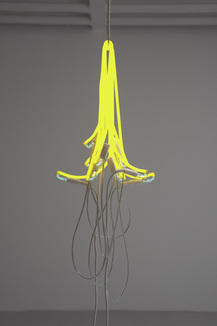
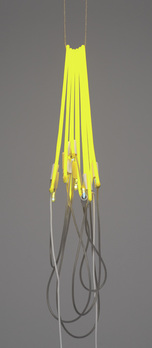
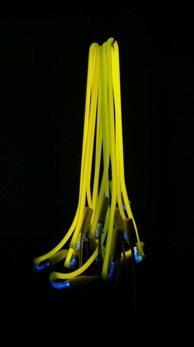
Roman Kirschner — Leaking (for the time being)
Photo 50 x 70.
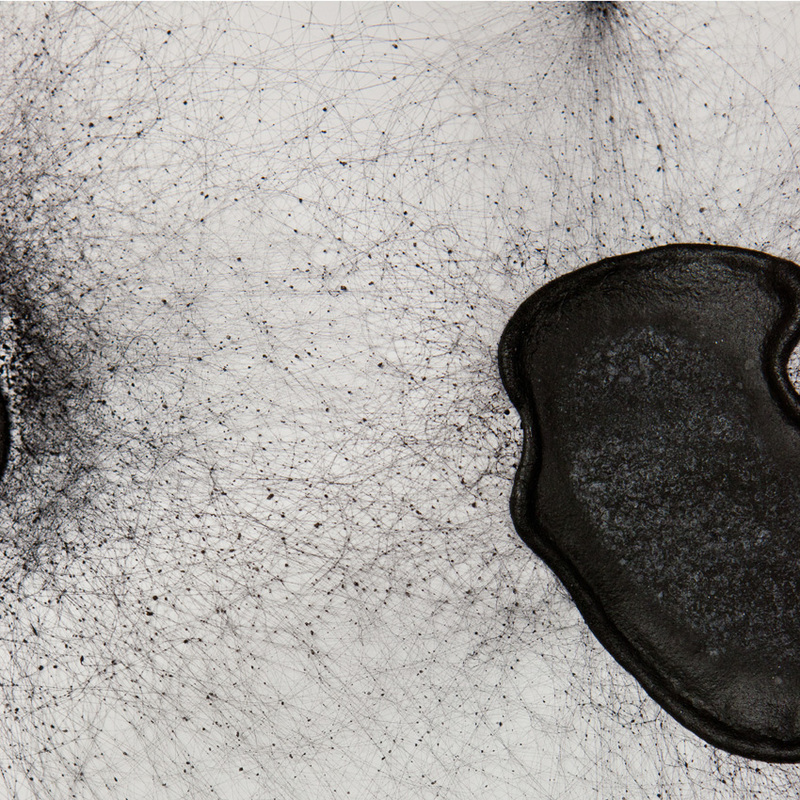
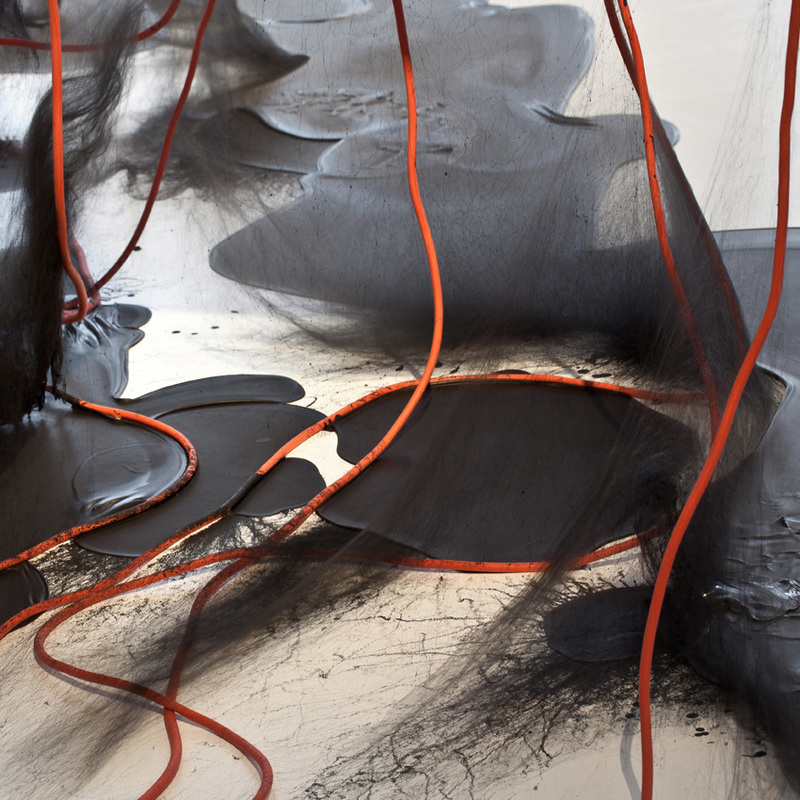
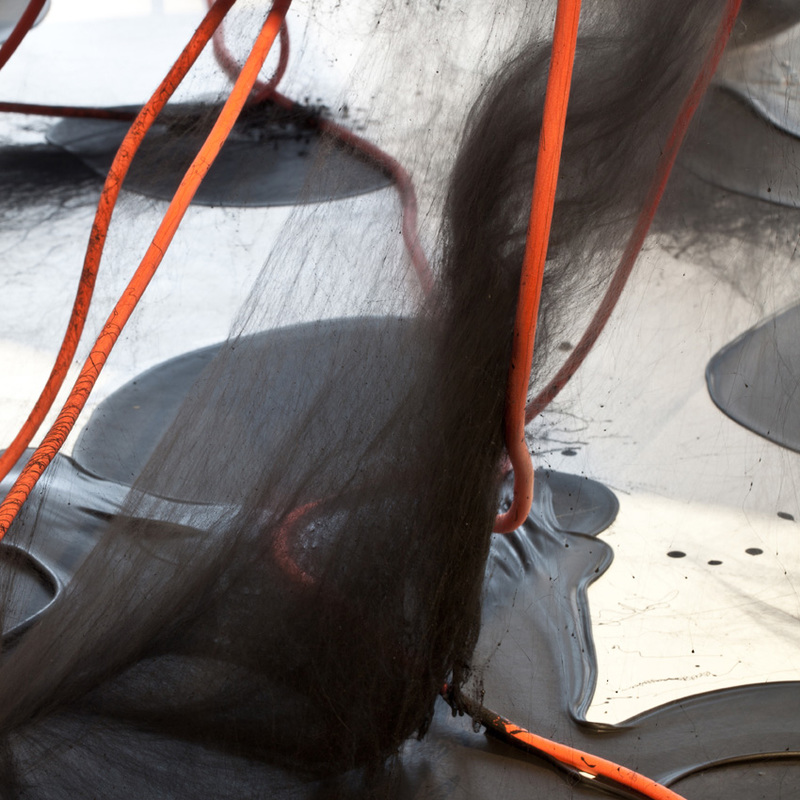
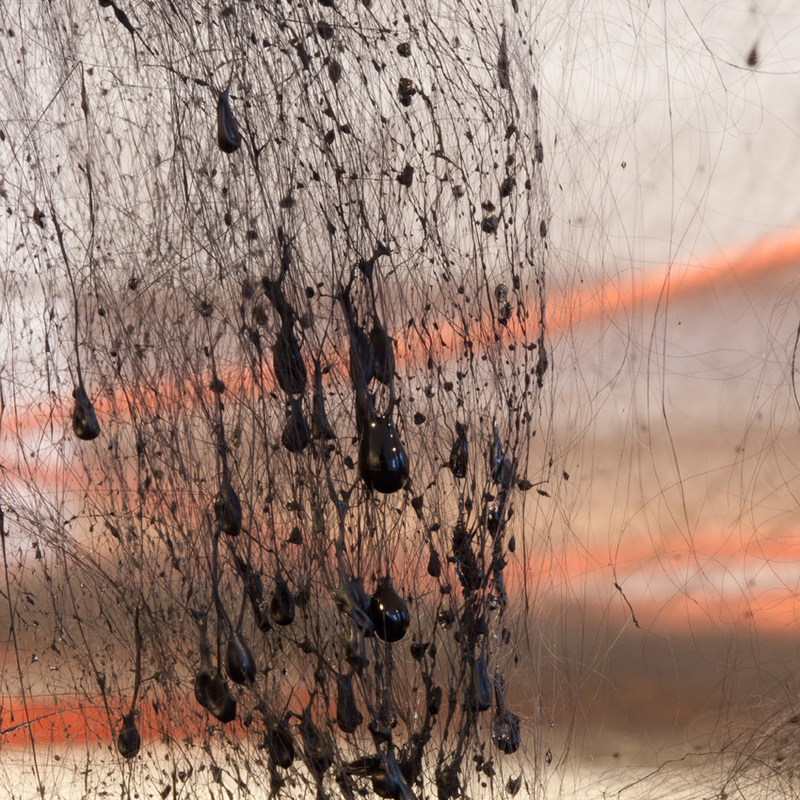
A gray mass is contained in an object of repurposed wooden tables suspended from the ceiling. The mass is dripping from numerous holes in the tabletops. The drops fall onto a white plane on the floor while leaving thin threads floating in the air. Over time, the threads stick together and develop intricate meshworks.
Roman Kirschner (*1975 Vienna) works as a visual artist and researcher. He has studied philosophy, art history and audiovisual art in Vienna and Cologne. Currently, he is the initiator and key-researcher of the arts-based research project “Liquid Things. Research on Active and Transitive Materials” at the University of Applied Arts Vienna. His work has been exhibited internationally at Tokyo Museum of Photography, Yerba Buena Center for the Arts San Francisco, Itaú Cultural São Paulo, V2, Cornerhouse Manchester, Lunds Konsthall, Akademie der Künste Berlin, Kunsthalle Wien, Arko Art Center Seoul, National Art Museum of China Beijing.
Britta Lenk — I 03, 2015
Installation.
In I 03, 2015, Britta Lenk has addressed questions concerning how information/knowledge is taken in and, by means of repetition, is recorded in our brains as true. In psychology, one speaks of so-called truth effects, i.e. the fact that merely by hearing or reading something repeatedly, we automatically believe it to be true(r). Using a reduced language of forms, it reflects upon the conditioning of viewing and brings up questions concerning the production and the binding character of reality and truth.
Britta Lenk (*1968 Mannheim) works as a visual artist. She has studied literature, art history and applied linguistic in Siegen. Since 1997 she lives and works in Köln and Rome. She is the co-founder of the independent art space artQ13 in Rome.
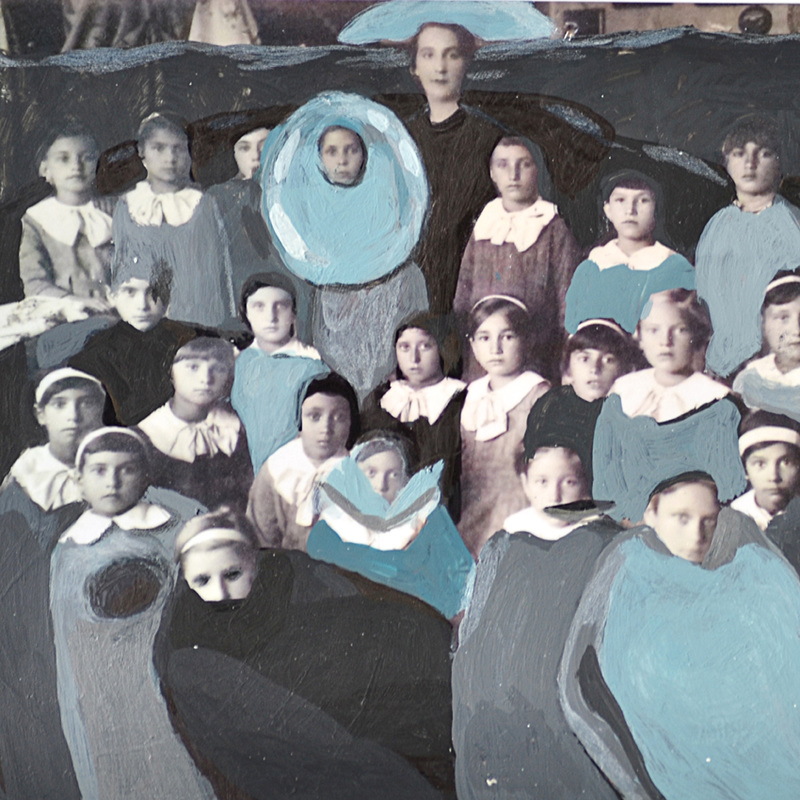
Iulia Morcov — Gli antenati
Installazione.
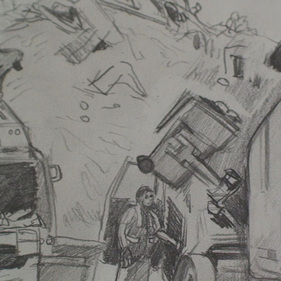
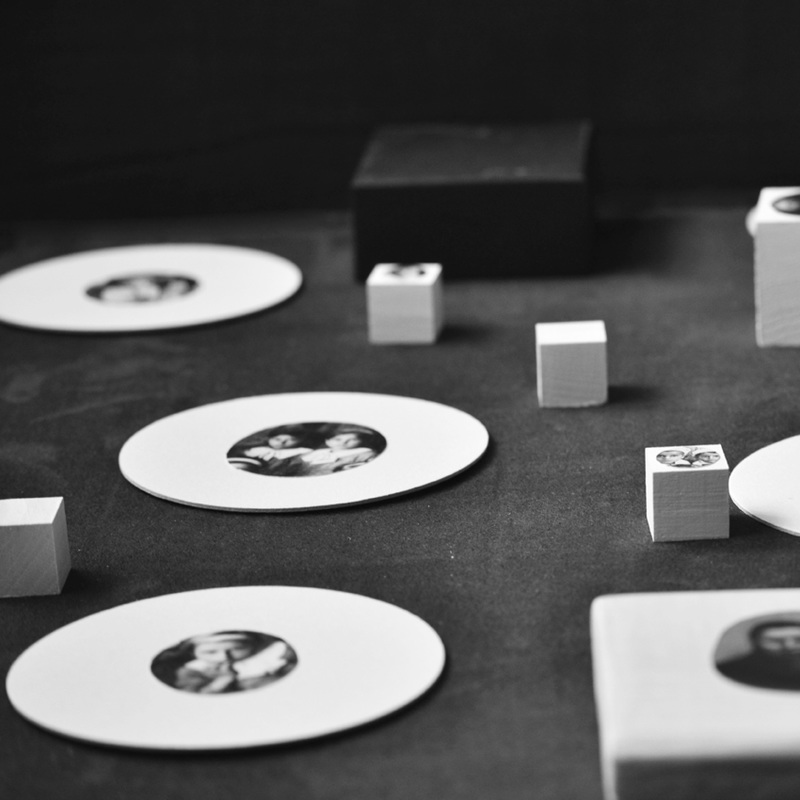
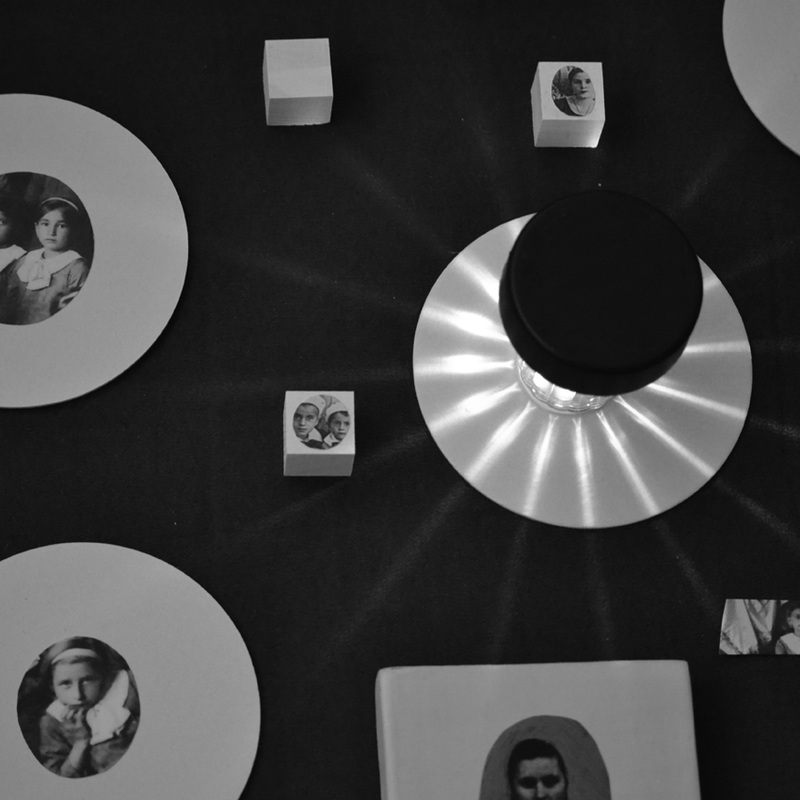
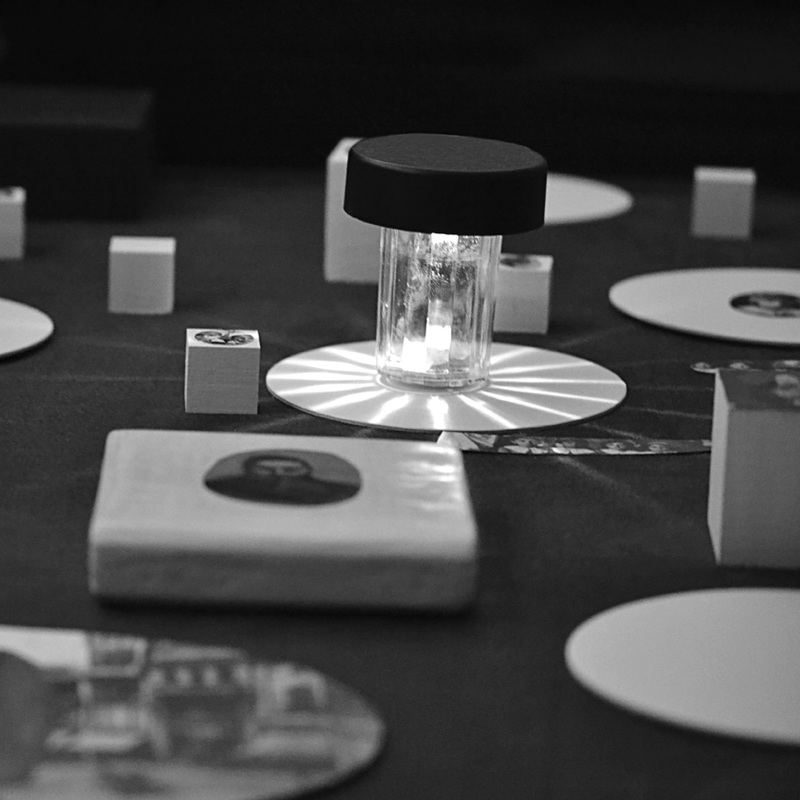
Nell’installazione di Iulia Morcov il punto è trovare o immaginare la storia della sua famiglia: i ricordi dimenticati, i racconti di guerra, le tradizioni, le strane storie che ha ascoltato molte volte in passato. Queste storie svaniscono, sempre più pallide, più deboli ogni giorno, così diventano quasi proibite, in qualche modo sacre, e da questa sacralità nasce la necessità di conservarle. Le storie si svolgono e avvolgono insieme ai ritratti delle persone: nonni, parenti perduti, di cui non si conosce più nulla, amici dimenticati. “So che vivono dentro di me, eppure sono tutti quasi sconosciuti a me” scrive Iulia Morcov, “così raccolgo le storie su loro, le ultime tracce, le storie che ricordo, e cerco di immaginare il loro mondo.”
Iulia Morcov nasce nel 1984 in Romania. Dopo aver studiato Belle Arti e grafica a Bucarest, vince diversi premi e numerose residenze tra cui una all’Accademia di Romania di Roma.
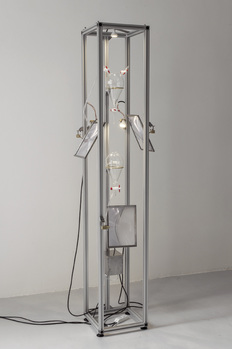
Carlo Caloro — Soft Hard, 2015
Silicone sculpture.
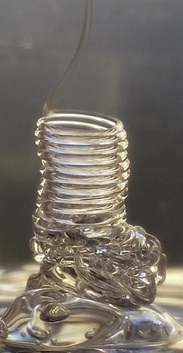
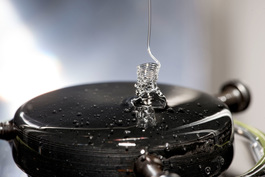
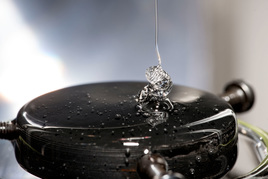
A thin stream of silicone liquid with a coefficient of viscosity of 30000 cSt flowing coiling on itself on a stationary surface creating a cylinder of fluid cable. The cylinder grows, reaches a critical height and collapses and the process begins again. Three lenses applied to the theca, one of them magnifies two and a half times the original size of the thin stream and the other two are directed towards the outside of the theca in the direction of the collection of books in the library.
Carlo Caloro lives and works in Cologne and Rome. He studied media art at the KHM, Academy of Media Arts, Cologne and direction at the National Academy of Dramatic Art of Rome “Silvio D’Amico”. In 2014 he founded in Rome the independent space artQ13.